Recording an interview on a phone without ruining it
You do not need equipment. You do need to fix five things, and four of them are free.
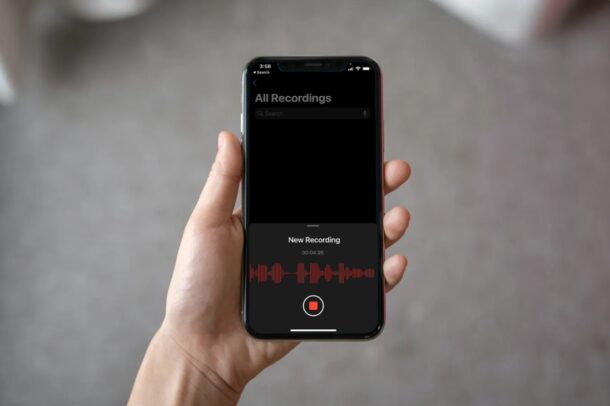
The best recorder is the one already in your pocket, and the gap between a phone recording and a properly-made one is smaller than the gap between a good phone recording and a bad one. Almost all of the damage happens in the room, not in the device.
The five things
1. Kill the hard surfaces. A kitchen with a bare table and tiled walls sounds like a swimming pool. Move to a room with a rug, curtains and a sofa, or put a folded tablecloth under the phone. This single change does more than any microphone upgrade.
2. Get the phone close. Thirty centimetres, not the far side of the table. Room noise falls off far more slowly than voice does, so distance costs you enormously. Put it on a book or a cushion, not directly on a table people will lean on.
3. Turn off the sources you can. Television, radio, dishwasher, extractor fan. The fridge is the one everyone forgets — its compressor produces a low hum that transcription tools hate and that you stop hearing within about a minute of sitting down.
4. Record uncompressed if the app allows it. Voice-memo apps often default to a small compressed file. Fine for a note to yourself, lossy for something you intend to keep for fifty years. Look for WAV or a high-bitrate setting.
5. Say the date and the names out loud at the start. Ten seconds. “It’s the fourteenth of June, I’m talking to my grandmother, her name is —”. Every archivist does this and every amateur forgets. It permanently welds the metadata to the file.
The one thing worth buying
If you do this more than twice, a small lavalier microphone that clips to a collar costs very little and solves problems two and three at once. It sits near the mouth, so room noise drops away.
Nothing else is worth buying at this stage. Not a field recorder, not a shotgun mic.
Before you start
Record thirty seconds, play it back, and listen on headphones. Not for quality — for faults. A rattling phone case, a chair that squeaks, a bracelet on the table. You will not notice any of these while concentrating on the conversation, and every one of them is unfixable afterwards.
Afterwards, immediately
Get the file off the phone the same day, renamed to something that will still make sense
in ten years — 1994-05-grandmother-kitchen.wav beats Voice 047.
Then make a second copy somewhere that is not the same physical building. Interviews get lost far more often to a dropped phone than to bad audio, and this one you cannot re-record.